Pickles are eaten with most meals in India, and people often ask whether they are good for health. The answer depends on the ingredients and on how the pickle is made. This post describes what the main ingredients in Northeast pickles contain. It does not make medical claims, and anyone managing a health condition should ask a doctor about their diet.
Chillies
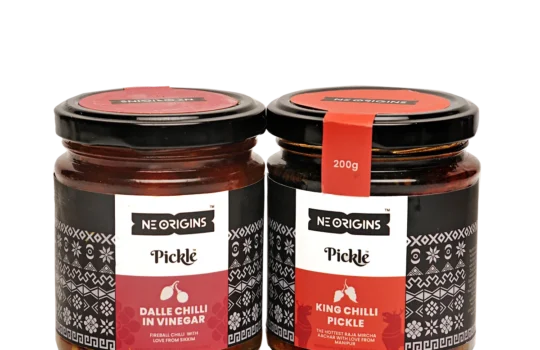
King Chilli and Dalle Khursani, the two chillies used in most of our pickles, contain vitamin C, beta-carotene (which the body converts to vitamin A) and capsaicin, the compound that makes chillies hot. A pickle is eaten in small amounts, so one serving adds only a little to daily vitamin intake.
King Chilli Pickle is the hotter of the two. Dalle Chilli Pickle has a sharper, fruitier heat.
Bamboo shoot
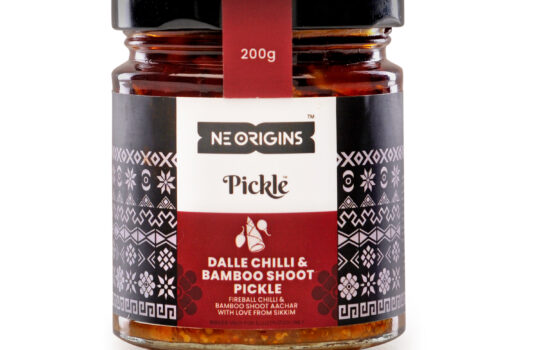
Bamboo shoot is low in calories and contains dietary fibre along with minerals such as potassium, phosphorus, calcium, magnesium and iron. It also contains vitamin B6 and vitamin E. In Dalle Chilli with Bamboo Shoot Pickle, bamboo shoot is the main ingredient and the chilli adds heat.
Amla
Amla (Indian gooseberry) is a common pickle ingredient in other parts of India. It is high in vitamin C, and one estimate puts it at about 20 times the vitamin C of an orange. NE Origins does not currently sell an amla pickle.
Fermented and non-fermented pickles
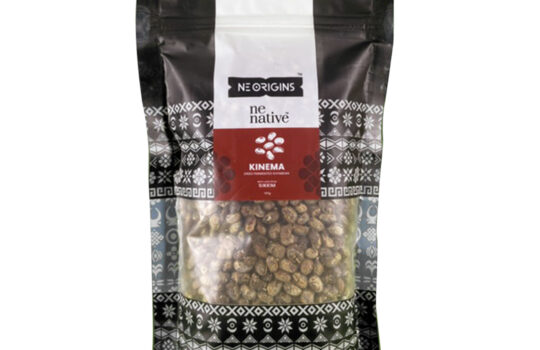
Some foods are fermented: bacteria convert the sugars in vegetables or beans into acid, which preserves them and gives a sour taste. Kinema, Gundruk and Soibum are fermented in this way, and they contain live bacteria when fresh. Research into how such bacteria affect the gut is ongoing.
Many pickles are not fermented. Pickles kept in oil or vinegar, or heated during preparation, usually contain few live bacteria. Their sourness comes from vinegar, lemon or tamarind.
Salt and oil
Most pickles are high in salt, and oil-based pickles are also high in fat. The traditional way to eat them is a small amount alongside a meal. People who need to limit salt should check the label and keep portions small.
Related: Northeast Indian pickles: which jar to try first and how to store pickles so they keep.