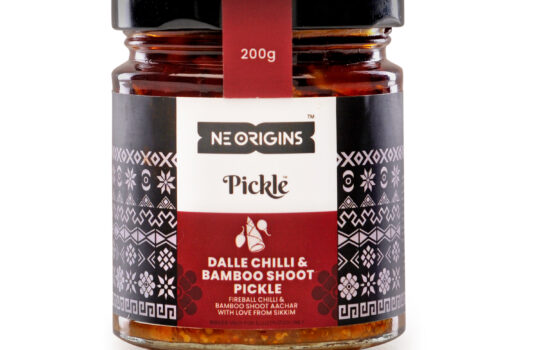
Bamboo shoot is the young, edible part of the bamboo plant. In Northeast India it is eaten fresh, fermented, dried and pickled. Its taste is mild and earthy, and it has a firm, crunchy texture.
Where bamboo grows in India
India is the world’s second-largest grower of bamboo, after China, with more than 125 species. Bamboo grows across most of the country. Northeast India accounts for nearly half of India’s bamboo species, and Assam produces the most.
According to one overview, bamboo grows best between 8°C and 36°C, with at least 1,000 mm of rain a year and high humidity. It prefers well-drained sandy-loam or clay-loam soil with a pH between 4.5 and 6.0, and it does not grow well in rocky, coarse soil.
What bamboo shoot contains
Bamboo shoot is low in fat and sugar. 100 grams of cooked shoot contains fewer than 20 calories, 3 to 4 grams of carbohydrate and about 2.2 grams of dietary fibre. Its glycemic index is about 15, which is low. It also contains protein, potassium, calcium, manganese, some vitamin C and silica.
These figures are for the plain shoot. A bamboo shoot pickle also contains oil, salt and spices, so its nutritional profile is different.
Bamboo shoot must be cooked or fermented
Raw bamboo shoot contains natural compounds that can release cyanide. Boiling, soaking or fermenting the shoots removes most of them, which is why traditional recipes always include one of these steps. Fresh shoots should never be eaten raw.
How it is eaten
In the Northeast, bamboo shoot goes into pickles, curries with meat or fish, and soups. Fermented versions such as Soibum in Manipur and Mesu in Sikkim are covered in our post on fermented bamboo shoot. This page has some simple recipes.